

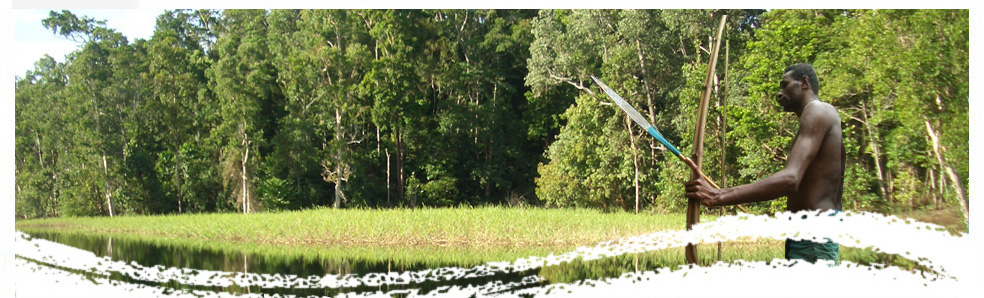

Illegal logging

Illegal logging is one of the main causes of deforestation and causes considerable environmental damage and biodiversity loss. It has serious implications for climate change, often ignores the rights of indigenous people, and make forests more vulnerable to fires.
Illegal logging is the harvest, transportation, purchase or sale of timber in violation of laws. The harvesting procedure itself may be illegal, including using corrupt means to gain access to forests; extraction without permission or from a protected area; the cutting of protected species; or the extraction of timber in excess of agreed limits.
According to OSCE, illegal logging imoves around 150 billion USD annually. It is estimated that illegal logging in public lands alone causes losses in assets and revenue in excess of 10 billion USD annually.
A significant proportion of timber from certain countries currently sold in the EU is thought to come from illegal sources.
Illegal logging contributes to deforestation and by extension global warming, causes loss of biodiversity and undermines the rule of law. These illegal activities undermine responsible forest management, encourage corruption and tax evasion and reduce the income of the producer countries, further limiting the resources producer countries can invest in sustainable development. Illegal logging has serious economic and social implications for the poor and disadvantaged. Furthermore, the illegal trade of forest resources undermines international security, and is frequently associated with corruption, money laundering, organized crime, human rights abuses and, in some cases, violent conflict. In the forestry sector, cheap imports of illegal timber and forest products, together with the non-compliance of some economic players with basic social and environmental standards, destabilise international market
With illegal and destructive logging, food supplies are gone and sacred sights are damaged. Rivers and streams become muddied and polluted, killing local reefs and fish stocks. People suffer violence and abuse. New diseases spread and the medicines, which once protected people from illness, are lost. The traditional ceremonies, skills and way of life are disrupted. Communities' subsistence lifestyle supported by the forest for thousands of years turns to poverty overnight.
- Details
 Italy has been exposed at the heart of an ongoing trade in illicit timber from Myanmar, in defiance of both EU trade regulations and sanctions imposed in response to the violent military coup earlier this year. In the new EIA report “The Italian Job: How Myanmar timber is trafficked through Italy to the rest of Europe despite EU laws, we identify a total of 27 Italian timber traders importing teak timber products.
- Details
 Indonesia’s legal system is failing to act against timber criminals, according to to the local NGO Kaoem Telapak and the British research team of Environmental Investigation Agency. As a result, the country’s top-level efforts to tackle illegal logging and deforestation is seriously undermined. A new research released today, Criminal Neglect, reveals that enforcement action through the courts was taken against only a handful of companies out of more than 50 investigated which were proven to have either traded directly or indirectly in illegal timber.
- Details
 Thousands of Romanians marched in the capital Bucharest and other cities on Sunday in protest against widespread illegal logging, which is believed to be behind the deaths of two forest workers in the past two months. In downtown Bucharest, an estimated 4,000 people marched toward the water and forest ministry, according to local TV stations, banging drums and chanting “Our forest is not your commodity,” and “Thieves.”
- Details
 A recent report released by the Environmental Investigation Agency (EIA) after three-year investigation, highlighted the Senegal-Gambia-China rosewood traffic and uncovered unprecedented evidence on a series of major forest crimes. According to the report, around 1.6 million rosewood trees were illegally logged in the Casamance province of Senegal and smuggled to Gambia to China between June 2012 and April 2020, to be re-exported to China.
- Details
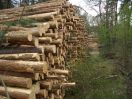 Six Romanian rangers have now lost their lives in recent years, two of them in the last month.
Forest ranger Liviu Pop was shot dead in Maramures, Romania last week responding to a tip-off about illegal logging. This follows the recent axe murder of ranger Raducu Gorcioaia near an illegal logging site in Pascani. Six Romanian rangers have now lost their lives in recent years, two of them in the last month.